Why the EV torque curve ruined gas cars for me
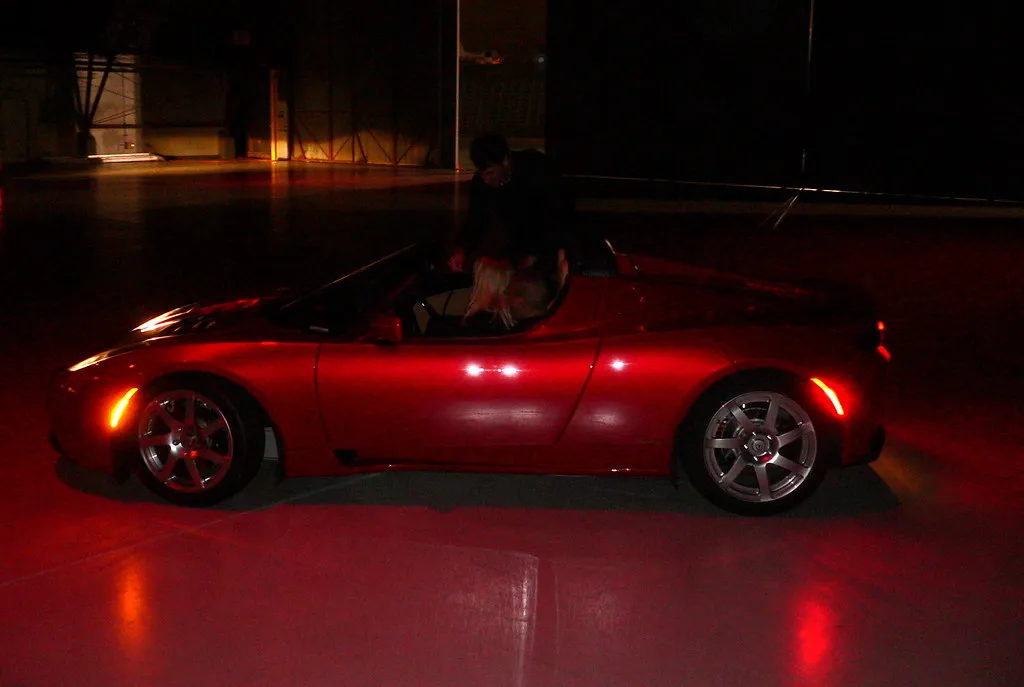
The test drive was a Saturday morning errand run, not a track day. I borrowed a friend’s Model 3 Long Range to move some flat-pack furniture across town. By the time I got back I was quietly reconsidering cars I’d owned and loved for a decade.
The thing that gets you isn’t the peak power number — plenty of combustion cars produce more. It’s the shape of the delivery. From a standing start in a parking lot, the full torque is just there, immediately, without negotiation. No downshift, no waiting for revs, no moment where the car is deciding whether it agrees with your right foot. You ask and it answers at the same speed you formed the question.
A well-tuned petrol car is satisfying in a different way — the climb up the rev range has texture and drama that instant torque doesn’t give you. I’m not pretending that’s not real. But once you’ve felt a car respond with zero latency at low speed, the slight delay in everything else starts to register in a way it never did before. It’s like learning to notice input lag after you’ve used a 120 Hz monitor.
The regenerative braking took about twenty minutes to calibrate to. After that I barely touched the friction brakes for the rest of the day. One-pedal driving changes the cadence of how you read traffic — you start looking further ahead not because you’re told to but because lifting off does real work and you want to use it.
I drove my own car the next day and the difference was noticeable in a way I hadn’t expected. Not in a “this is objectively worse” way, more in a “I can now perceive a specific thing I couldn’t perceive before.” The torque curve is fine. It’s always been fine. But the reference point had shifted.
I don’t think I’m buying an EV in the next year — the infrastructure is still awkward for my particular setup. But I understand now why people who switch tend not to switch back. The hierarchy collapsed for me in one borrowed car trip to buy a bookshelf. That’s a pretty efficient piece of persuasion.